Deck Lighting Options: Brighten Up Your Outdoor Entertaining Space
Outdoor deck lighting plays a crucial part in transforming exterior living spaces. Such lighting not only promotes security but also establish an inviting ambiance for gatherings. A carefully planned combination of functional, decorative, and ambient light sources can turn a standard deck into a captivating sanctuary. While homeowners consider different styles and choices, they frequently miss important factors. Grasping these considerations can produce smarter selections that elevate any outdoor experience. Which elements deserve attention throughout this lighting endeavor?
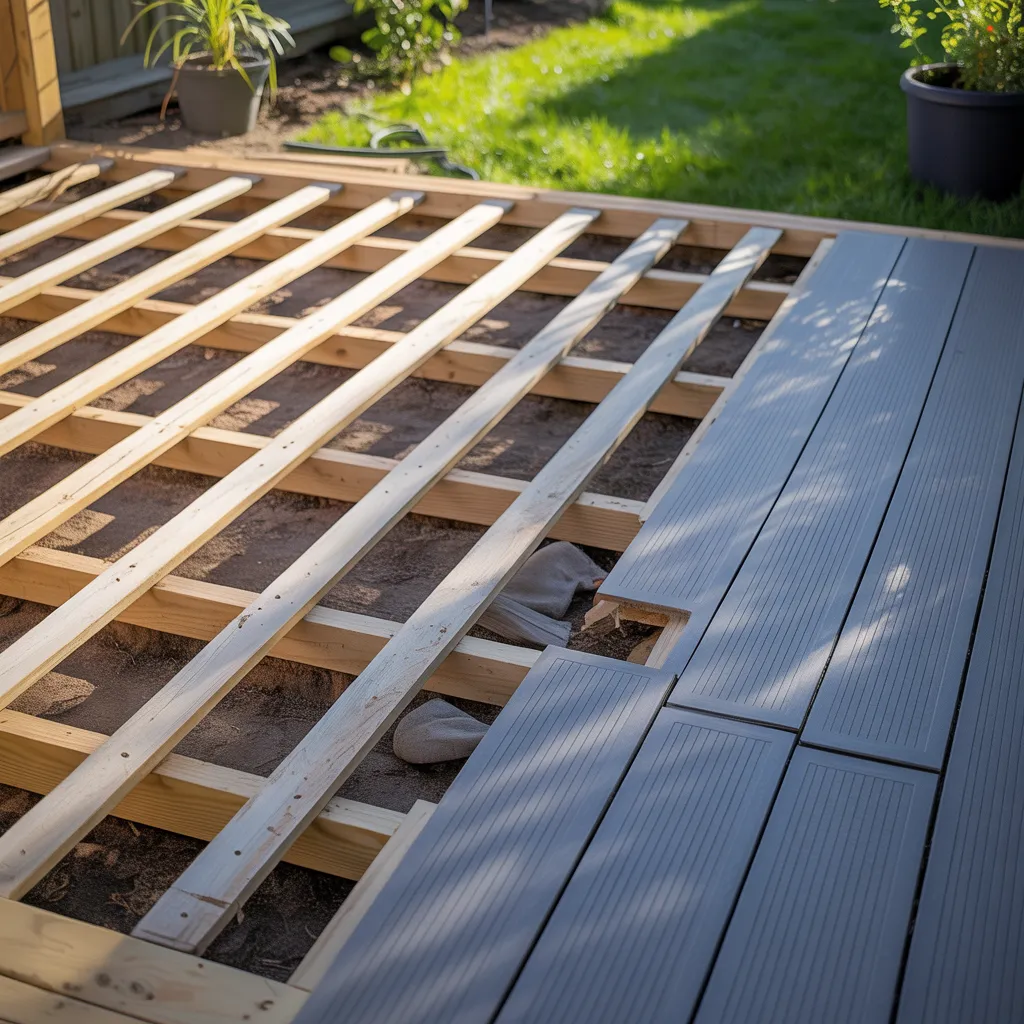
Why Deck Lighting Makes a Difference for Your Outdoor Space
When thinking about enhancements to outdoor spaces, deck lighting serves a vital purpose in both aesthetics and functionality. It functions to light up paths, ensuring safety throughout evening events. Well-designed lighting helps avoid mishaps and improve the general atmosphere for attendees. In addition to safety, carefully arranged fixtures work to emphasize the architectural features of the deck, cultivating a warm environment. The interplay of light and shadow brings dimension and texture, turning a typical setting into an enchanting sanctuary.
Furthermore, deck lighting expands the utility of outdoor spaces, permitting homeowners to make use of their decks throughout the evening hours. It can support group occasions, dinner parties, or peaceful nights under the stars. By showcasing plants, furniture, and other design elements, lighting creates a warm and inviting ambiance. All things considered, the deliberate placement of deck lighting not only amplifies visual appeal but also contributes to the overall pleasure and usability of open-air living spaces.
Finding Your Perfect Deck Lighting Style
How can one select the ideal lighting approach for a deck? Choosing the most suitable lighting style entails evaluating the aesthetic and practical requirements of the outdoor area. Initially, one should evaluate the current design and architectural elements of the house and deck. For modern designs, sleek, minimalist fixtures may complement the design lines and surfaces, while traditional homes might benefit from cozy, vintage-style lighting.
Next, functionality is essential. Task lighting is often needed for cooking or dining areas, while ambient lighting improves relaxation areas. Blending diverse lighting options, such as wall sconces and string lights, can add depth and warmth.
Furthermore, the preferred mood plays a significant role; brighter lights promote activity, while gentler tones create a warm and inviting feel. At the end of the day, striking a balance between aesthetics and functionality ensures that the preferred lighting enhances both the aesthetic appeal and usability of the exterior area.
Top Deck Lighting Options for Every Style
When selecting deck lighting , homeowners have access to a wide range of options that improve both ambiance and functionality . Ambient lighting options , including string lights and lanterns , create a warm atmosphere for gatherings . At the same time , practical lighting solutions such as recessed lights and path lights ensure safety and visibility during evening use .
Ambient Illumination Ideas
Establishing the ideal atmosphere on a deck can turn outdoor areas into welcoming sanctuaries, as appropriate lighting elevates both visual appeal and usability. Soft string lights draped overhead can produce a cozy, enchanting ambiance, perfect for evening gatherings. Lanterns, whether suspended or set on surfaces, bring a charming character while delivering warm light. For a sleek, updated look, LED strip lights can be installed along railings or under furniture, providing a smooth radiance that accentuates structural details. Solar-powered pathway lights not only brighten walkways but also support an environmentally conscious atmosphere. Furthermore, wall sconces can offer an elegant touch, casting soft shadows that enhance the overall design. All of these selections provide exceptional ways to improve outdoor entertaining occasions.
Efficient Lighting Solutions
Functional lighting solutions play an essential role in maximizing the usability of deck spaces, promoting safety while improving outdoor experiences. Options like recessed lighting provide a sleek, unobtrusive illumination that highlights pathways and seating areas. Post lights can elegantly line railings, adding both style and brightness. Security is enhanced by motion sensor lights, which conveniently activate to brighten spaces as required. Furthermore, string lights establish a warm and charming environment, making them an excellent choice for entertaining. Solar-based lighting solutions are environmentally responsible and adaptable, supplying generous light output with no wiring requirements. All of these lighting options can be customized to complement a range of design styles, from contemporary to traditional, allowing functionality and beauty to blend seamlessly in outdoor settings.
Innovative Deck Lighting Design Concepts
Though most people consider the practical components of deck lighting, creative arrangements can turn a basic outdoor area into a captivating sanctuary. Layering lights at varying heights creates depth and intrigue, motivating guests to wander through the surroundings. As an example, overhead string lights can lend a charming and delightful feel, as low-level pathway lights direct guests securely along walking paths.
Integrating lighted planters introduces a organic touch, emitting soft radiance that highlight vegetation. A further inspired technique includes incorporating recessed lighting inside the deck surface itself, allowing for a sleek, up-to-date style.
Highlighting architectural elements with accent lighting, like decorative railings or support posts, highlights the design while simultaneously improving safety. Additionally, illuminating targeted spaces, such as a dining area or a fire pit, establishes focal points that foster conversation and connection. Such creative lighting arrangements both enrich the atmosphere and improve the overall outdoor environment.
Eco-Friendly Deck Lighting Options
More homeowners than ever are focusing on energy-saving deck lighting options to minimize their ecological impact and electricity expenses. LED bulbs have grown in popularity due to their extended durability and minimal energy usage, frequently consuming up to 80% less energy than conventional incandescent bulbs. Solar-powered lighting options are also gaining traction, capturing solar energy during daylight hours to light outdoor areas after dark, delivering an eco-friendly energy alternative. Additionally, smart lighting systems allow homeowners to control their deck lights remotely, enabling features like dimming and scheduling to further conserve energy. Incorporating motion sensors can improve efficiency by guaranteeing lights turn on only when necessary. By incorporating these energy-efficient solutions, homeowners not only create inviting outdoor environments but also contribute to a more sustainable future, making these options an intelligent investment.
Deck Lighting Setup and Upkeep Tips
Installing deck lighting requires meticulous planning and attention to detail to guarantee both practicality and visual appeal. First, property owners should examine their deck configuration, identifying essential zones that demand lighting, such as steps, seating, and pathways. Strategic positioning enhances safety and establishes a welcoming ambiance.
To continue, picking the appropriate fixture types is vital. Choices include recessed lights, post cap lights, and string lights, each offering unique benefits. It's important to consider the power supply, choosing between solar or hardwired options relative to the analysis deck's location and amount of sunlight received.
Throughout the installation process following manufacturer instructions ensures safety and optimal performance. Employing weatherproof materials shields fixtures from the elements.
Regular maintenance is equally important. Wiping down fixtures and monitoring for loose connections or burnt-out bulbs preserves both brightness and safety. Scheduling annual inspections can prolong the life of the lighting system, securing the outdoor space remains beautifully illuminated for years to come.

Questions We Get Asked Often
What Is the Standard Cost of Installing Deck Lighting?
The typical cost of deck lighting installation generally falls between $500 and $2,500, influenced by factors including the type of lighting, labor costs, and the complexity of the installation, having a notable effect on the overall project budget.
How Long Can You Expect Deck Lighting Fixtures to Last?
Deck light fixtures are known to last from 15 up to 25 years, depending on their quality and materials. Routine upkeep and shielding from severe weather conditions can greatly extend their lifespan, making them a worthwhile long-term investment for outdoor areas.
Are There Waterproof Options for Deck Lighting?
Indeed, there are waterproof choices available for deck lighting. These units are engineered to withstand wet conditions and severe weather, delivering long-lasting durability and consistent performance, making them well-suited for exterior applications where water exposure is a regular occurrence.
Can Deck Lighting Be Installed Without Professional Help?
Absolutely, individuals can install deck lighting themselves, given that they have basic electrical knowledge and tools. That said, consulting local codes and safety regulations is crucial to establish adherence to safety standards and proper installation procedures throughout.
What Is the Optimal Season for Deck Lighting Installation?
The best time for installing deck lighting is during spring or early fall. These seasons provide comfortable temperatures and clear skies, making installation easier and ensuring optimal performance as outdoor gatherings become more frequent as the weather warms up.